


GIOVANNI PIETRO VITALI - University of Versailles Saint-Quentin-en-Yvelines
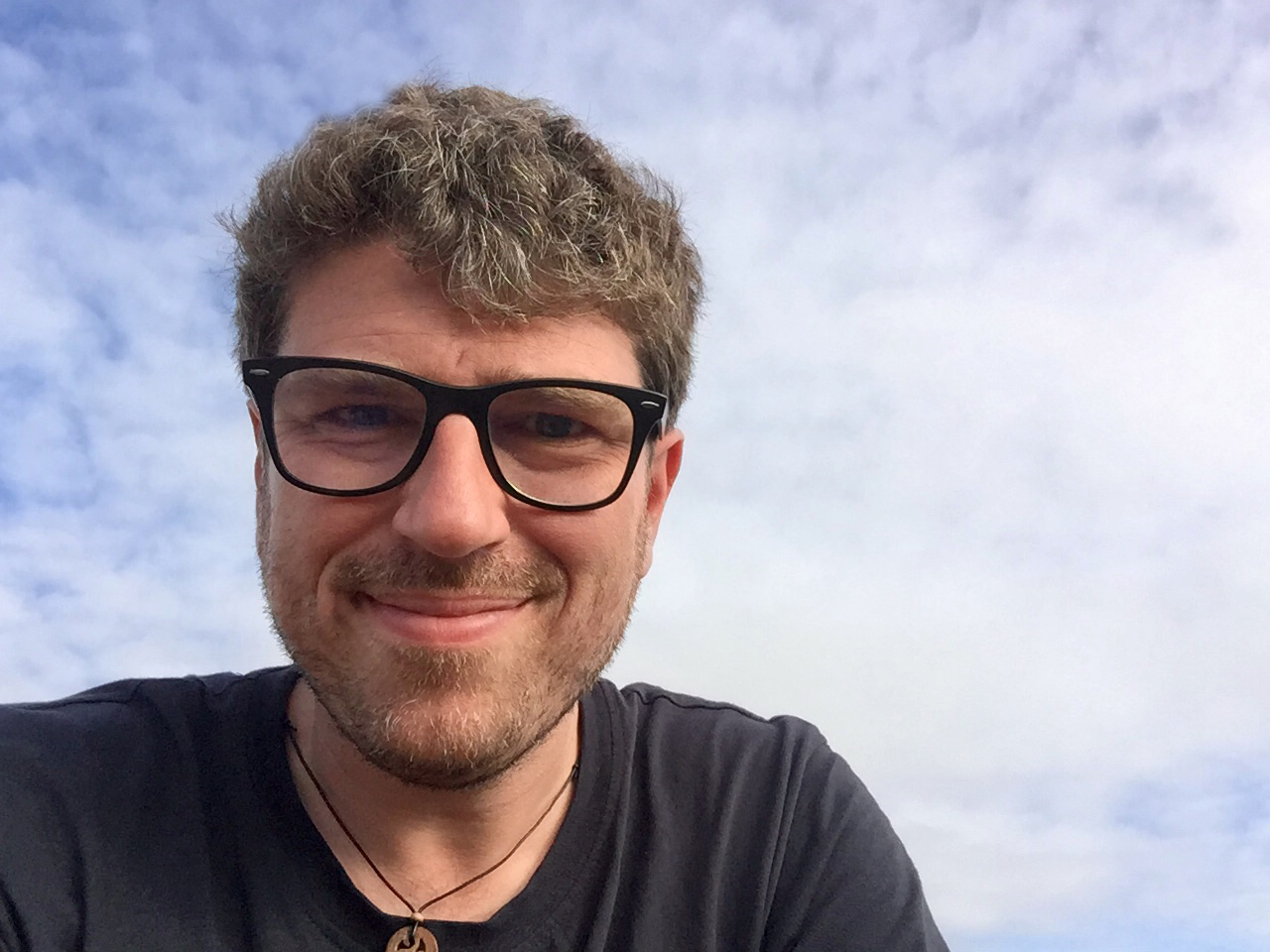
Giovanni Pietro Vitali is an associate professor of Cultural History and Digital Humanities at the Université de Versailles Saint-Quentin-en-Yvelines – Université Paris-Saclay. His research focuses on the cultural history of contemporary conflicts, writing practices in situations of violence, and digital methodologies applied to 20th-century archives. He is a member of the scientific committee of the CDEC Foundation and an associate researcher at the University of Oxford, where he co-directs the Prismatic Translation project. He was awarded a Marie Skłodowska-Curie grant for the Last Letters project and has worked at various French and international universities. He is the author of Voices of Dissent and numerous studies on the modelling and visualisation of historical data, particularly relating to deportations from Italy during the Second World War. He coordinates the AVALANCHE, FRONT_JUSTICE and URésistant projects.
SOPHIE ROBERT-HAYEK - University of Paris Sorbonne
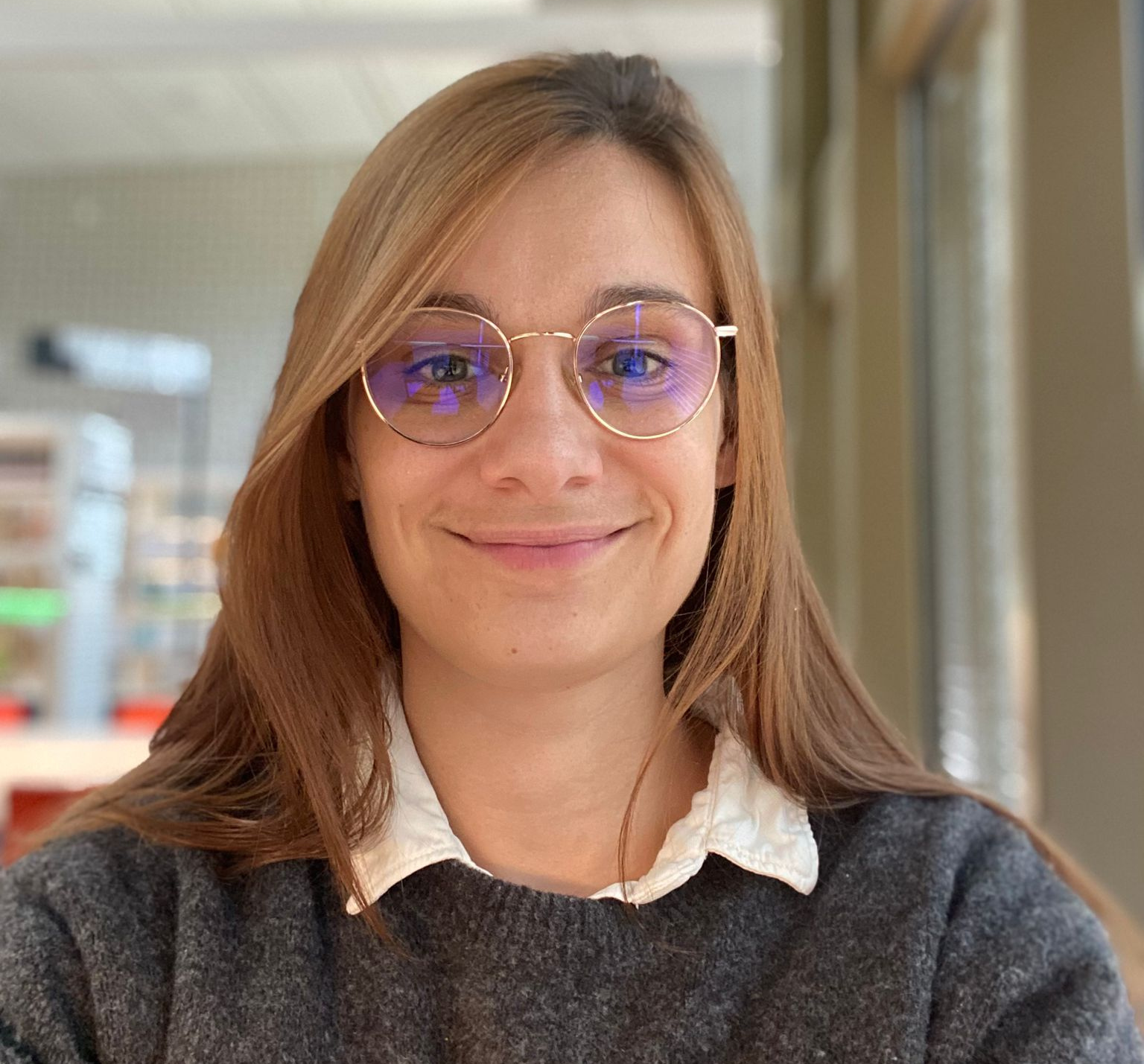
Sophie Robert-Hayek is currently an Associate Professor (Maître de Conférence) in Computer Science at Sorbonne University in Paris, focusing on the application of computational linguistics to the study of ancient Greek and Latin texts. Her research focuses on the intersection of computational linguistics, paleography, and textual criticism, with a particular emphasis on quantitative approaches for the analysis of textual transmission. She currently investigates the interrelationships among manuscript witnesses to the Gospels in their Greek and Latin translations.
STEFANO MORIGGI - University of Modena and Reggio Emilia
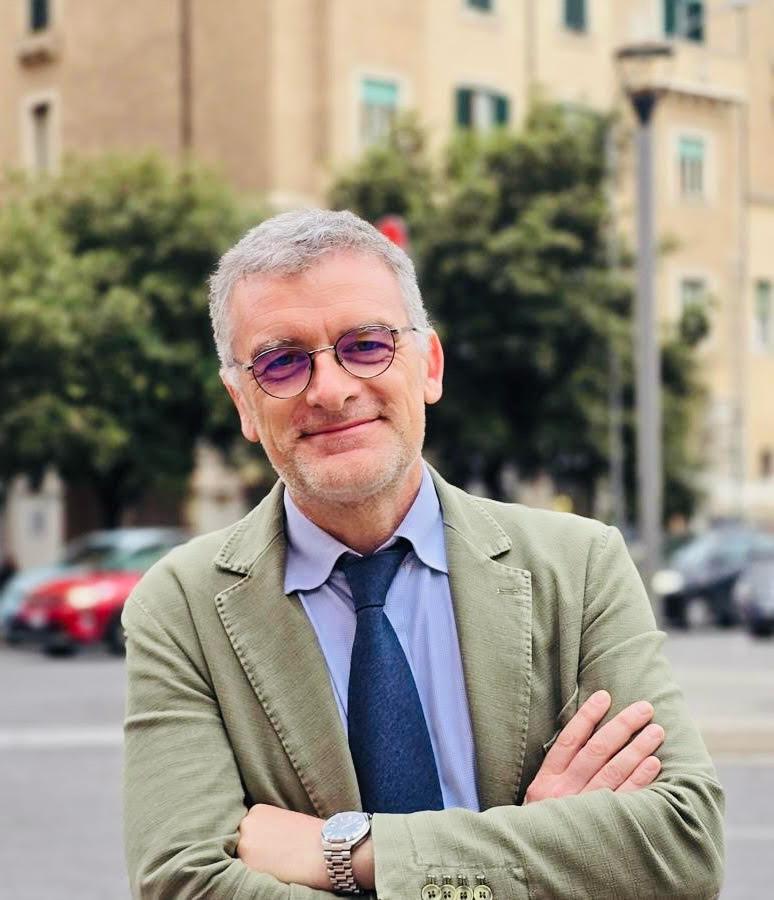
Stefano Moriggi is an associate professor of Digital Citizenship, Algorithmic Culture and Philosophy of Digital Education at the University of Modena and Reggio Emilia, where he chairs the Degree Course in Digital Education. He is a permanent member of the McLuhan Foundation in Toronto and CREMIT at the University Cattolica of Milan. He studies the relationship between technological evolution and learning styles, the epistemology of education, postmedia studies and the philosophy of technology. He hosted the programme E se domani (What if tomorrow) on Rai 3. His recent publications include 'Cultural Analytics. L'analisi computazionale della cultura' (editor of the Italian edition of L. Manovich), 'Postmedialità' (with M. Pireddu), 'L'intelligenza artificiale e i suoi fantasmi' and (with V. Gallese and P.C. Rivoltella) 'Oltre la tecnofobia'. He edits the 'Nuvole' series for Ledizioni.
VIVETA GENE - Ionian University
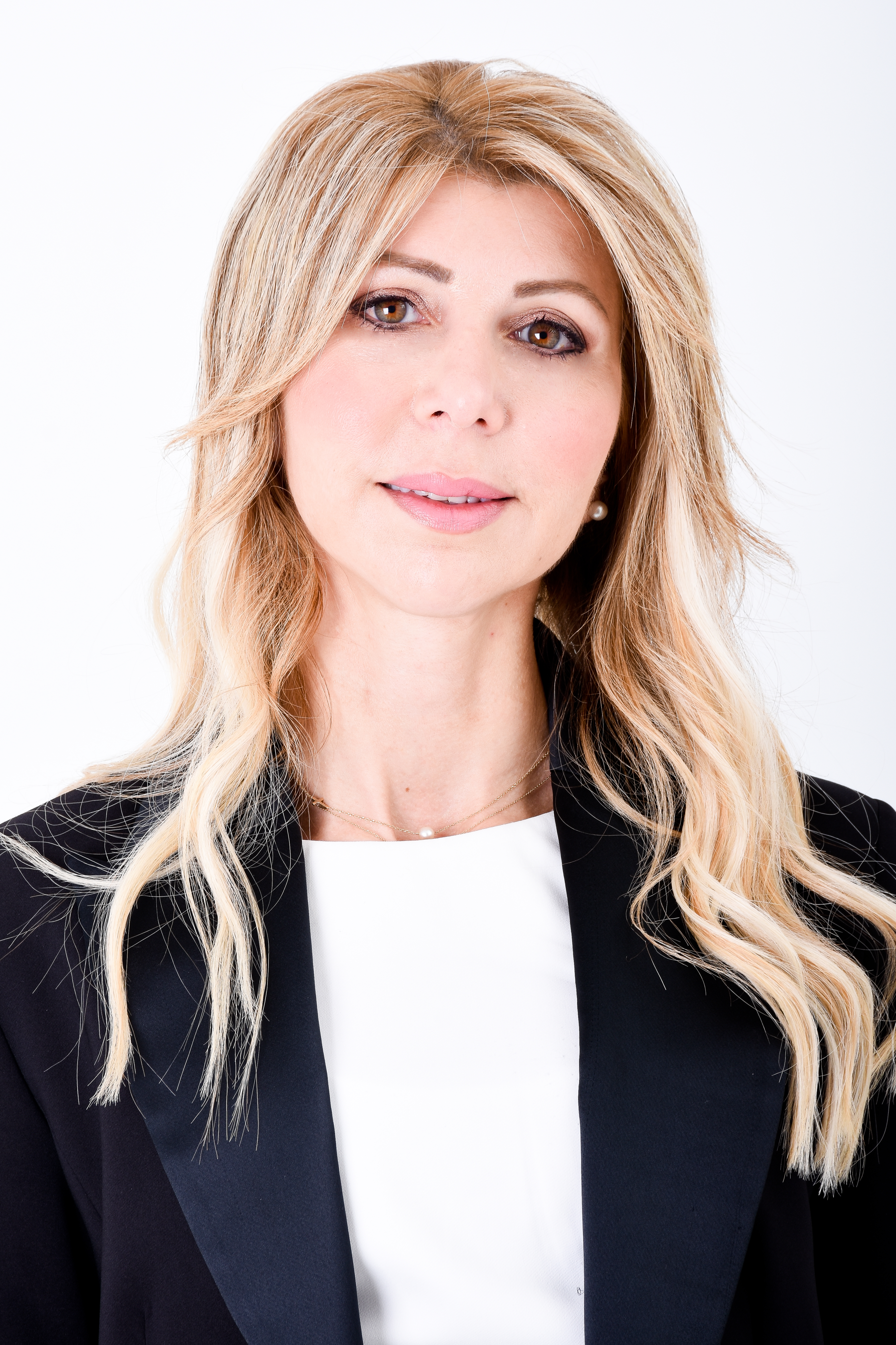
Dr. Viveta Gene is a researcher, educator, and translation technology specialist whose work focuses on the application of Large Language Models (LLMs) and machine translation post-editing (MTPE) within professional and regulated translation environments. She holds a PhD in Translation and New Technologies and is a Postdoctoral Researcher at Ionian University, where her research investigates prompt engineering, Knowledge Graph mediated translation, and post-editing models for improving terminological accuracy, consistency, and quality assurance in AI-assisted translation workflows. Viveta also serves as an Adjunct Professor, teaching specialized courses in translation, translation technology, and project management, with particular emphasis on MTPE methodologies, LLM-assisted translation workflows, evaluation metrics, and the ethical integration of AI in professional practice. In parallel, she is Head of Global Localization Solutions at Intertranslations, where her applied research informs the design of enterprise-scale localization systems integrating NMT, LLMs, automated quality control, and human-in-the-loop post-editing. Drawing on over 20 years of experience across academia and industry, her work bridges theoretical research, translator education, and production-grade AI systems, contributing to evidence-based and responsible innovation in multilingual communication.
KAMILIA KARD - Brera Academy of Fine Arts
Kamilia Kard is an artist and academic born in Milan. Her research explores how hyper-connectivity and new forms of online communication have changed and influenced the perception of the human body, gestures, feelings, and emotions. She works across various media, including sculpture, installations, video games, websites, 3D printing, performance, and virtual environments. Her works have been exhibited in galleries, festivals, and institutions both nationally and internationally. She holds a PhD in Digital Humanities from the University of Genoa and is a professor of Virtual Realities and Paradigms of Complexity at the Brera Academy of Fine Arts in Milan. She is also the coordinator of the Master’s degree program in Digital Arts and the head of student orientation at the Brera Academy.